About / Educating Marissa
Why We Exist
We dream of a future of education where ALL can thrive.
Our current school systems were designed to create predictable inequitable outcomes.
We need to rethink education and expand possibility, so that All truly means All.
Access
What we call an achievement gap is almost always an access gap.
In California in 2024–25, the suspension rate was 7.9% for Black students, 5.1% for students with disabilities, and 3.3% for English learners, compared with 2.9% statewide. These disparities are not proof of student deficits, but evidence of how differently students experience school depending on who they are and the barriers they encounter.
Before we measure what students achieve, we must examine what they are actually given access to. When learners lose instructional time, encounter obstacles to participation, or are denied meaningful entry into grade-level content, their outcomes cannot be understood simply as reflections of individual ability or effort.
What is commonly labeled the achievement gap obscures a more fundamental reality: student outcomes inevitably reflect the conditions, instruction, relationships, and opportunities we make accessible. When those foundational elements are inequitably distributed, predictable disparities follow.
The question is never whether students have the capacity to learn—it is whether our schools provide equitable access to the environments where learning is genuinely possible. Moving forward requires shifting our focus from diagnosing deficits to designing the access every student deserves.
Humanity
How we see and interpret one another shapes what is possible for every person in the building.
People do not enter schools as standardized individuals. Students and educators alike arrive carrying distinct identities, languages, lived experiences, pressures, and ways of navigating the world.
Yet when school culture interprets difference or tension through bias, deficit thinking, or rigid expectations, individuals become reduced to labels—whether students marked as disruptive or incapable, or colleagues viewed through blame and mistrust.
Those interpretations matter. They dictate who receives grace, who faces punishment, whose voices carry weight, and who is forced to adapt to structures never designed with their humanity in mind.
The challenge is not simply asking individuals to care more. It is equipping the entire school community to examine their assumptions, see the full human beings in front of them, and use power in ways that preserve dignity while expanding what is possible for everyone.
Community
What happens between people shapes everything that happens in a school.
Schools are living ecosystems. No one exists in isolation—every classroom, hallway, meeting, and quiet interaction contributes to a shared environment governed by how people relate, communicate, and hold power with one another.
What happens in one part of that ecosystem ripples across the whole. When relationships are strained by mistrust, fear, or unilateral control, everyone feels it. Conversely, when dignity, shared understanding, and mutual respect define the interactions between adults, between students, and between educators and youth, the entire building breathes differently.
Lasting transformation requires the whole community to look honestly at the relational dynamics we co-create every day. It means examining how power moves through our spaces, how conflict and tension are met, and whether our daily habits foster authentic belonging or quietly reinforce compliance, isolation, and fatigue.
No one in a school should have to navigate systemic pressures alone. When an entire school community develops the shared capacity to see what is truly happening between people and respond with intentional care and collective responsibility, they cultivate an ecosystem where everyone in the building can thrive.
Our Founder
Who We Are
“I didn’t learn equity, cultural humility, and how to advocate for those in the margins from a textbook. I learned it on the ground in Oakland and among the red sand of Namibia. Over twenty years across K–12 and higher education taught me that the calling is never to ‘save’ our students, but to stand beside them, dismantle the structures built to limit them, and serve.” — Riss
Educating Marissa is a play on words. As an educator, Marissa embodies the fluid roles of both teacher and learner—educating while continually being educated.
Deeply Rooted
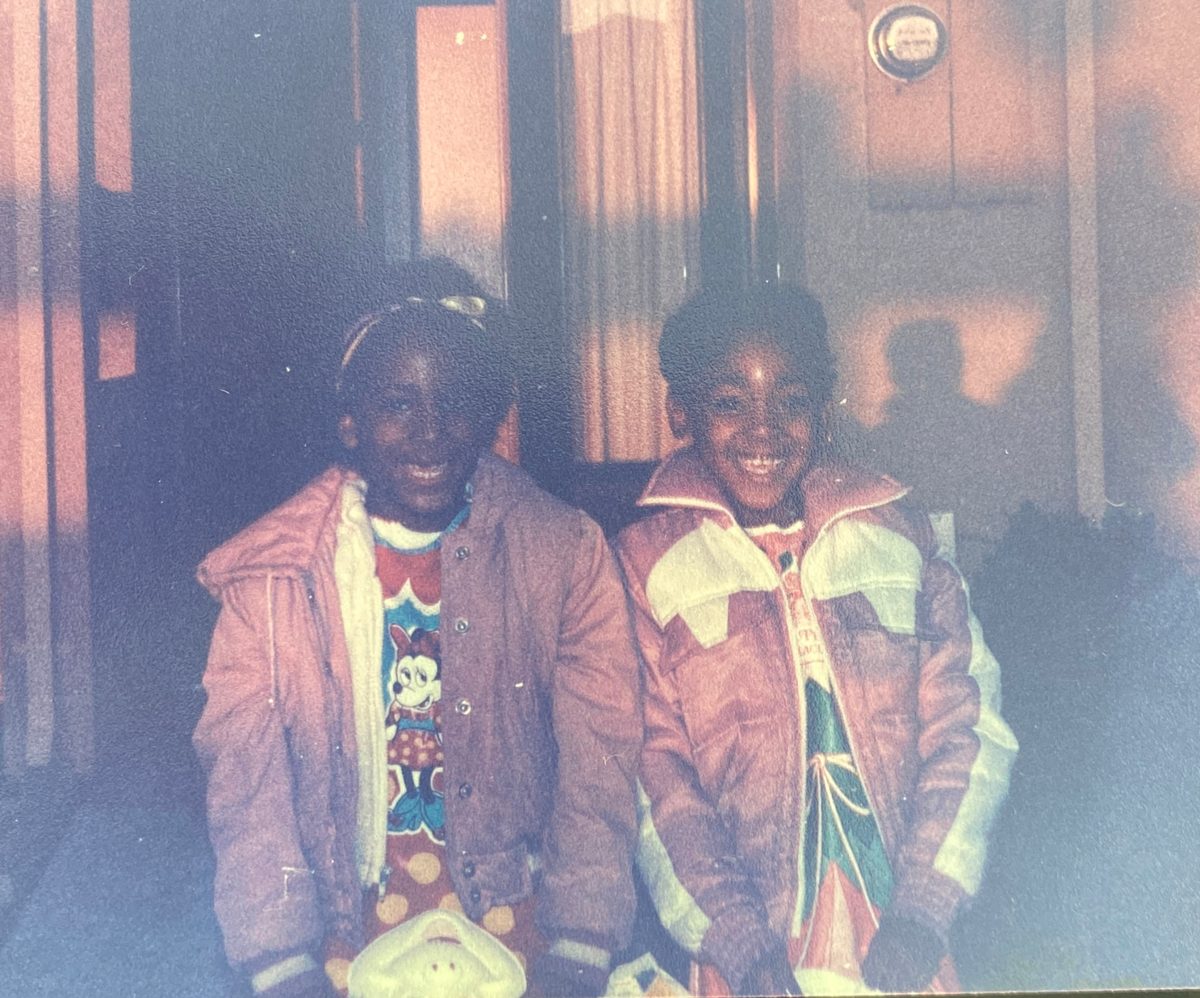
My path started on the ground in Oakland, California, where I was taught early on to take pride in who I was, the value of hard work, and the strength of community.
My elementary school planted seeds of cultural pride, while middle school delivered my first hands-on lesson in educational equity. When ten of us followed the standard math sequence into 9th-grade geometry, the existing school system wasn’t set up for us—expecting students to be bused up the hill because the system failed to plan for our success. Our principal, a Black woman named Lynn Todd, interrupted that pattern by advocating until she secured us a full-time teacher. That experience exposed how systemic failures are structurally created, while showing what happens when a leader steps up to demand access.
Finding the Calling: To Serve, Not Save
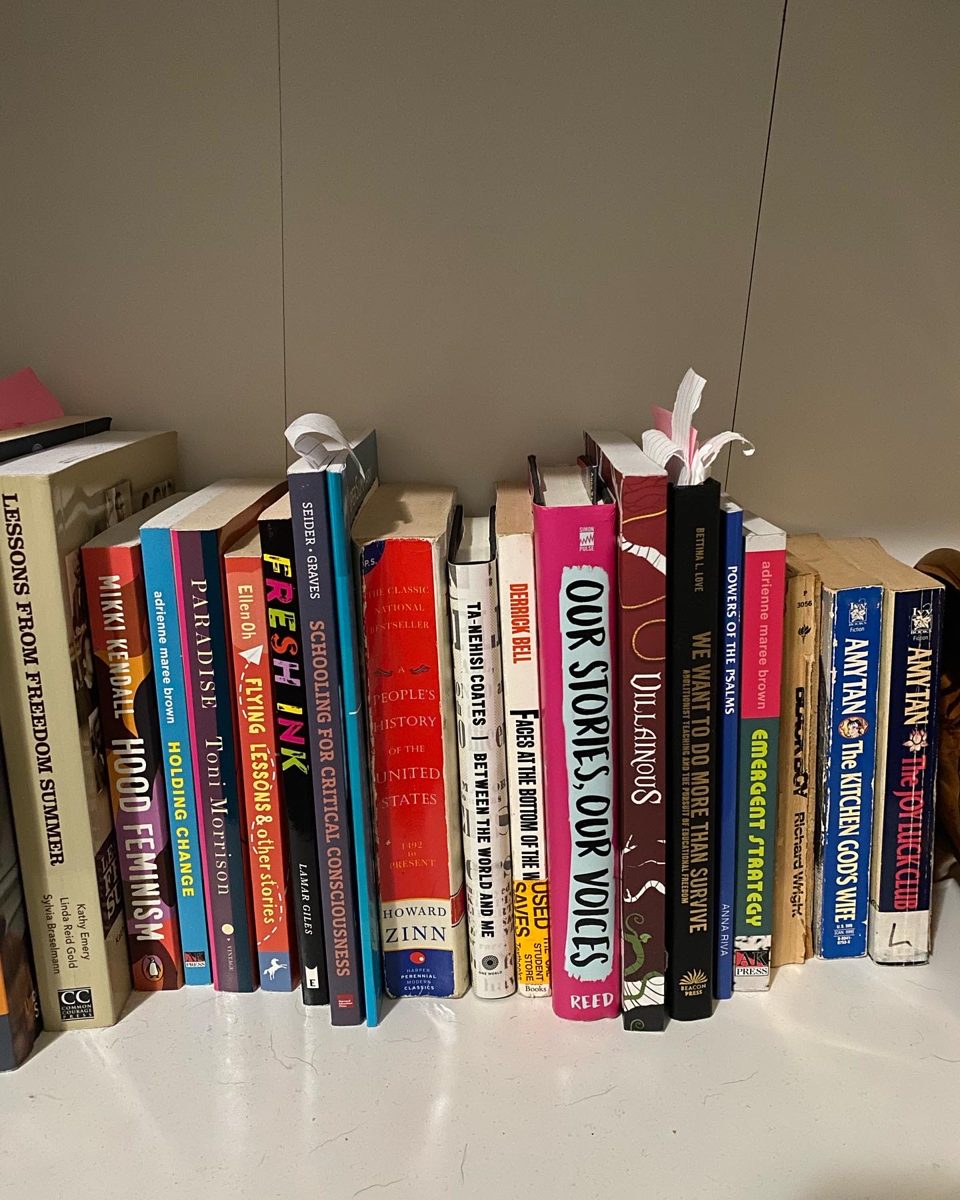
A lover of books and knowledge, I have always allowed my insatiable curiosity to lead me. I studied Pan-African Studies at California State University, Northridge, and was amazed to learn the power of Ethnic Studies—not only on my knowledge, but on my spirit. I learned the value of culture, intersectionality, and community.
During and after those learning years, I began my journey as an educational practitioner. I tutored at a placement for young men labeled “delinquent.” What I found were “my brothers” who had been failed by multiple systems. It was then that I supported several students in learning to read. At 20, I had found my calling. I vowed never to let another student I knew fall through the cracks. How savior-like of me!
At that time, I was not aware of the sociopolitical context that, by design, would continue to widen the opportunity gap my students would come to reflect. I’ve since learned that my job wasn’t to save, but to serve.
From the Group Home to the Red Sand of Namibia
In the coming years, I took “my brothers” with me everywhere I went. I took what I learned from them into independent studies, where I was met with students the system hadn’t accounted for: teen parents, gangsters, square pegs, accelerated learners—oh my! They taught me lessons in determination, and how access, humanity, and community could happen outside of the traditional school building. (We were in a strip mall!)
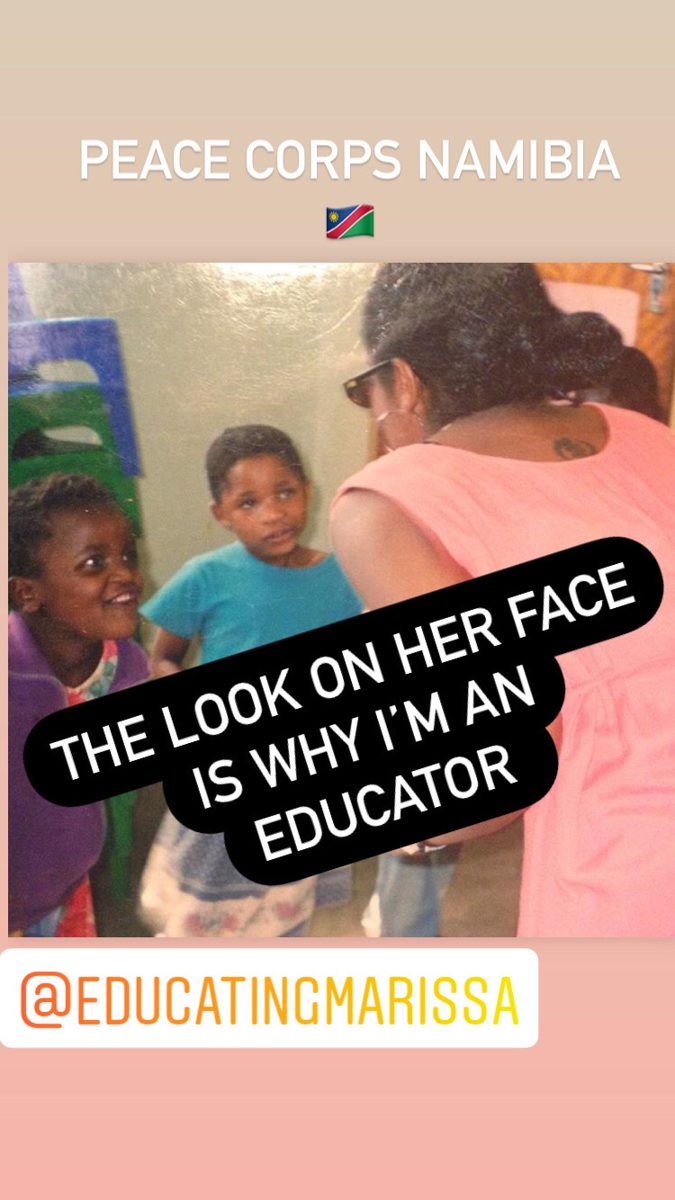
When corporate management arrived and told me students were profit margins, I leaped into the Peace Corps in Namibia. Two years as a school and community volunteer taught me cultural humility on 1000! Entering that space brought a profound culture shock, stripping away assumptions and grounding my practice in deep listening, cross-cultural adaptation, genuine service, and empathy.
It also confronted me with the raw reality of institutional representation. In our service group of 21 volunteers, there were only three Black people in total—all three of us women. Navigating that immense isolation in a global arena holding up a mirror to my own identity brought everything I thought I knew under extreme scrutiny. It forced me to look past the macro-narratives of aid and focus entirely on the micro-dynamics of human connection. Service wasn’t about a grand, heroic gesture; it was about showing up in all your vulnerability, standing in your identity, and choosing to listen and learn.
“I had other people’s children I was responsible for, and I was not about to play with them.”
The Practice: Where Relationships Meet Learning
Seven years teaching fourth and sixth grade in East Oakland, right across from the housing projects where I first arrived as a little girl, was my training ground. My students excelled because of how we worked together in community. But I also learned from my own missteps, looking back honestly at moments like denying a student’s bathroom request and realizing the deep impact of how I held my power and diminished theirs.
Years later, I reconnected with one of my former sixth graders, who wrote me a message saying that I had saved them. But my response remains:
“I didn’t save them. They saved themselves. My job has never been to rescue anyone—my job is to create the conditions where people can access what they already carry.”
I then stepped into higher education at the College of San Mateo, teaching reading and coordinating the Basic Skills Initiative. Working deeply with Reading Apprenticeship, I not only supported students in unpacking their thinking, but also in releasing the pain often associated with not deeming oneself a “good reader.” I cultivated classroom communities where students connected deeply across age, cultural and linguistic background, and identity difference. I also stepped into adult institutional leadership and saw firsthand how organizations work on a large scale.
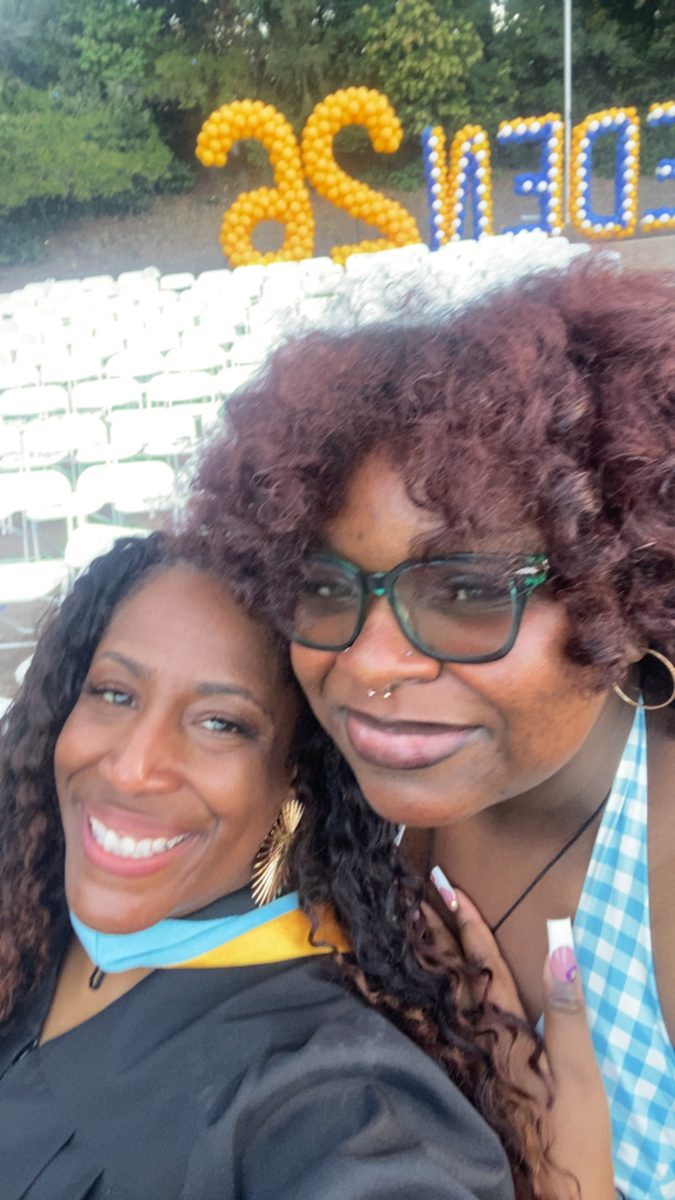
In the System, Not of the System
My leadership expanded significantly during seven years as a curriculum director across nonpublic schools at Seneca Family of Agencies (SFOA). I built systems across sites serving students on the margins, brought rigor and literacy to neglected programs, and developed alongside a dynamic team of instructional leaders. I directly navigated complex institutional power—confronting executive dynamics, building social justice libraries, facilitating restorative processes, and advocating for staff and students in every room I was in.
Stepping into public school site leadership, I was confronted with the stark realities of site administration in a unionized environment, where admin and teachers are seen as adversaries. I navigated administrative isolation, systemic barriers, and adult conflict avoidance—like watching leaders hide under their desks rather than hold difficult boundaries. I worked alongside leadership teams, coached staff through union grievances and structural misalignment, and insisted on direct communication: “Talk to the person, not about the person.” A lesson I learned from my work at SFOA.
Whether handling intense discipline or site crises, I refused to reduce people to their worst moments, always asking, “What else is going on?” to unearth what’s happening beyond the surface and build multi-layered support networks.
Having served in site administration for the past several years, I returned to independent consulting through Educating Marissa with a far deeper, more battle-tested level of knowledge and experience of the challenges faced in our educational space and the opportunities they afford us for real change.
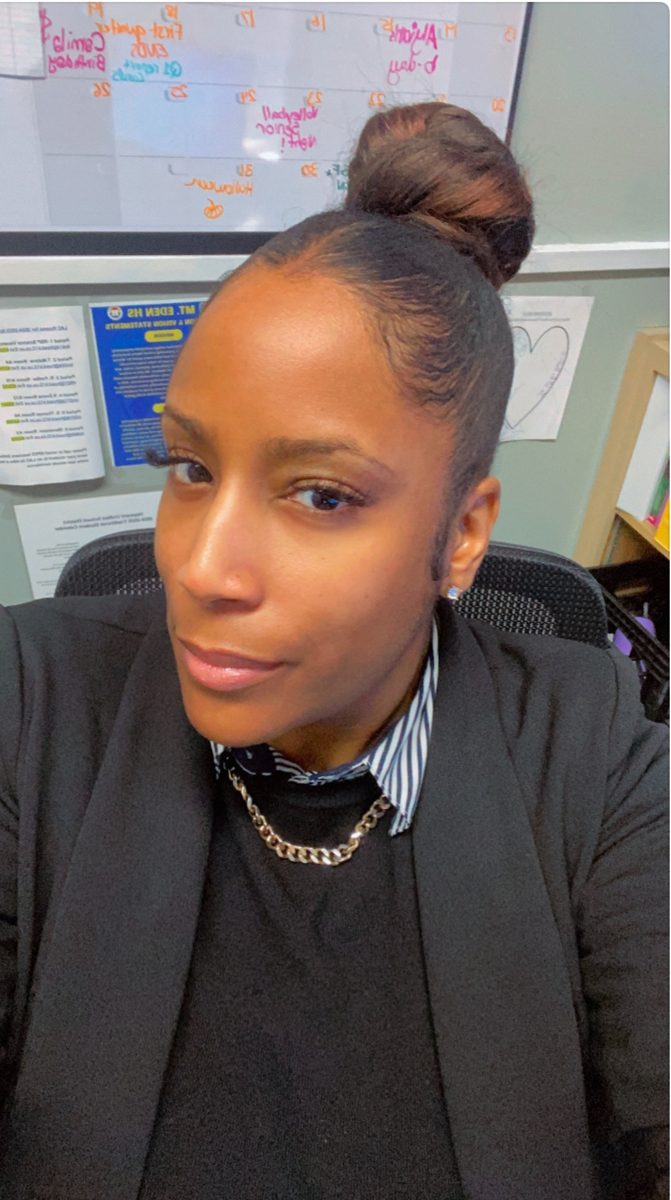
Humanity, Access & Community
Across twenty years as a student, tutor, classroom teacher, reading specialist, curriculum director, and school administrator, I realized several truths about education:
- All humans deserve dignity and have innate power within them and power to influence the world in meaningful ways. They are not machines, and no one is disposable.
- Everyone in a school building needs access to healthy, equitable educational environments where their assets and identities are celebrated, high standards are held with warmth, and they have the room to grow beyond their mistakes.
- Being in community means sharing power with others, cultivating shared understanding across difference, and recognizing that belonging is a necessity that needs active cultivation. It involves both care and sacrifice and is what is necessary for all to thrive, as our collective future is bound together.
The meaning of life is to find your gift. The purpose of life is to give it away. — Pablo Picasso
Today, I work directly with educators, site administrators, and executive leadership teams to confront how power and authority are actually being held. Through coaching, curriculum design, and organizational strategy, I help leaders move past performative fixes, take care out of vague ideals, and build honest, sustainable spaces where both adults and students can truly thrive.
Additionally, an inductively developed practice of holding entrusted power ethically, centering human dignity, and creating the conditions for true belonging informs this work.
I developed Caring Authority, adapted The 4 Dimensions of Power, and created many other curricular guides as standalone tools to move practice forward with humanity, access, and community.
My mission is to bring these lived experiences, spanning K–12, higher education, adult literacy, and global service, alongside the knowledge gained through study and practice, to work together toward a preferred collective future where everyone has the opportunity to thrive.
I hope you’ll join me.
Newsletter
Stay in the Conversation
Thoughtful explorations of educator practice, power, and what it takes to build school cultures where everyone can thrive — delivered from our Substack.
Read the latest on Substack ↗